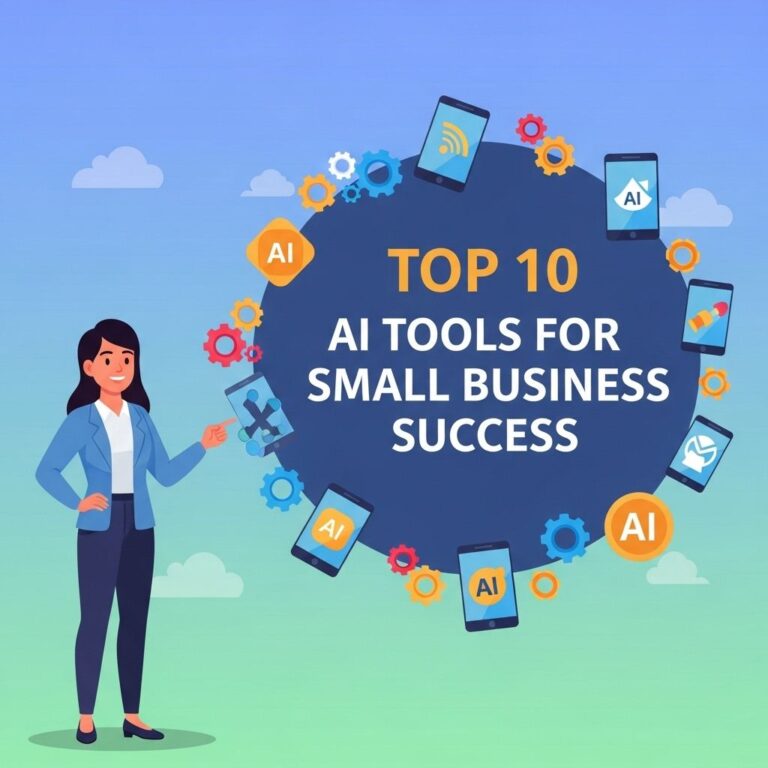
In today’s rapidly evolving digital landscape, small businesses are increasingly leveraging artificial intelligence (AI) to streamline operations, enhance customer experiences, and drive growth. AI tools are no longer just the domain of large corporations; they are now accessible and beneficial for small businesses looking to stay competitive. This article explores ten transformative AI tools that can propel small businesses toward success, highlighting their features and practical applications.
Machine Learning & Artificial Intelligence
1. Chatbots for Customer Service
Chatbots have become a staple for businesses aiming to improve customer service. These AI-driven tools can engage with customers 24/7, providing instant responses to inquiries, guiding users through processes, and even handling transactions.
Benefits of Chatbots:
- 24/7 availability
- Consistent customer interaction
- Reduction in operational costs
- Improved customer satisfaction
2. AI-Powered Email Marketing
Email marketing remains one of the most effective channels for small businesses. Tools like Mailchimp and SendinBlue utilize AI to optimize email campaigns by personalizing content, segmenting audiences, and predicting the best times to send emails.
Business & Productivity Software
Key Features:
- Automated email sequences
- Content recommendations
- Performance analytics
3. Predictive Analytics Tools
Understanding customer behavior is critical for small businesses. AI-driven predictive analytics tools can help businesses forecast sales trends, understand customer preferences, and make data-driven decisions.
Email & Messaging
Popular Tools:
| Tool | Features |
|---|---|
| Tableau | Data visualization and business intelligence |
| Google Analytics | User behavior tracking |
| Mixpanel | Product and user analytics |
4. AI-Based Content Creation
For small businesses, creating high-quality content consistently can be challenging. AI tools like Jasper and Copy.ai help generate blog posts, marketing copy, and social media content quickly and efficiently.
Machine Learning & Artificial Intelligence
How They Work:
These tools use natural language processing (NLP) to understand context and generate human-like text based on the input provided by the user.
5. Social Media Management Tools
Managing social media accounts can be time-consuming, especially for small teams. Tools like Hootsuite and Buffer incorporate AI to help automate posting schedules, analyze engagement data, and even suggest content.
Advantages:
- Automated posting
- In-depth analytics
- Content recommendations
6. AI-Powered Customer Relationship Management (CRM)
Managing customer relationships is vital for small businesses. AI-enhanced CRMs like HubSpot and Zoho CRM provide insights into customer interactions, helping businesses maintain strong relationships.
Customer Relationship Management (CRM)
Features to Look For:
- Lead scoring and prioritization
- Sales forecasting
- Integration with communication channels
7. Voice Search Optimization Tools
As voice search continues to grow, optimizing for it is crucial. Tools like AnswerThePublic can help small businesses identify common voice search queries related to their products or services.
Communications & Media Studies
Why It Matters:
With a focus on voice search, businesses can tailor their content and SEO strategies to capture more traffic from voice-activated devices.
8. AI for Inventory Management
Stock management can be a logistical nightmare for small businesses. AI tools like TradeGecko and Inventory Planner can help optimize inventory levels, predict demand, and reduce waste.
Machine Learning & Artificial Intelligence
Key Benefits:
- Real-time inventory tracking
- Data-driven demand planning
- Automated reorder notifications
9. Virtual Personal Assistants
Virtual assistants powered by AI, such as Google Assistant or Amazon Alexa, can help small business owners manage schedules, set reminders, and retrieve information quickly.
Usage Examples:
- Scheduling meetings
- Managing to-do lists
- Getting quick answers to queries
10. AI-Enhanced Cybersecurity Solutions
As cyber threats become more sophisticated, small businesses must protect their data. AI-driven cybersecurity tools like Darktrace and Cylance can detect anomalies and respond to threats in real time.
Benefits of AI Cybersecurity:
- Proactive threat detection
- Automated responses to incidents
- Continuous learning and improvement
Conclusion
Integrating AI tools into small business operations can enhance efficiency, improve customer engagement, and drive overall success. By understanding how to leverage these technologies, small businesses can not only compete with larger enterprises but also excel in their respective markets. As technology continues to evolve, staying informed about the latest AI tools will be vital for any small business aiming to thrive in the digital age.
Machine Learning & Artificial Intelligence
FAQ
What are the best AI tools for small businesses?
Some of the best AI tools for small businesses include chatbots for customer service, AI-driven marketing automation software, predictive analytics tools, and virtual assistants for administrative tasks.
How can AI tools help improve small business efficiency?
AI tools can automate repetitive tasks, analyze data for better decision-making, enhance customer interactions, and optimize marketing efforts, leading to increased efficiency and productivity.