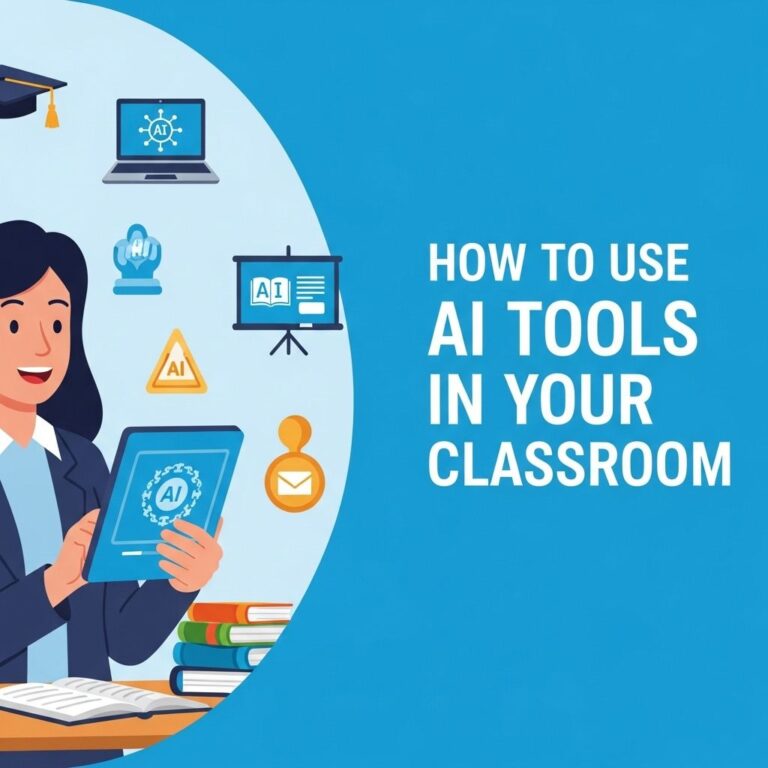
The integration of artificial intelligence (AI) tools into the educational landscape is transforming how educators teach and students learn. As technology continues to evolve, harnessing the potential of AI in the classroom can enhance the educational experience, making it more personalized, efficient, and engaging. This article explores various AI tools available for classroom use, their benefits, challenges, and practical applications for educators.
Understanding AI in Education
AI in education refers to the use of systems that simulate human intelligence to assist in learning processes. These tools can analyze data, provide personalized learning experiences, and automate administrative tasks, allowing educators to focus more on teaching than on paperwork. With the potential to cater to individual learning styles, AI tools can be game-changers in achieving better student outcomes.
Types of AI Tools for Educators
Various AI tools are designed to support different aspects of teaching and learning. Here are some notable categories:
Machine Learning & Artificial Intelligence
1. Intelligent Tutoring Systems
These systems provide personalized instruction and feedback to students, adapting to their learning pace and style. Examples include:
- Khan Academy: Offers personalized learning dashboards.
- Cognitive Tutor: Analyzes student performance and provides tailored exercises.
2. Learning Management Systems (LMS)
LMS platforms leverage AI to enhance course management, track student progress, and facilitate communication. Examples include:
- Canvas: Integrates AI to suggest resources and activities.
- Moodle: Provides AI-driven analytics for monitoring student engagement.
3. AI-Powered Assessment Tools
These tools utilize machine learning algorithms to assess student performance and provide insights into areas needing improvement. Notable options are:
- Gradescope: Automates grading and provides analytics on student performance.
- Turnitin: Identifies plagiarism and offers feedback on writing quality.
4. Virtual Assistants
AI-driven virtual assistants can help streamline administrative tasks, manage schedules, and facilitate communication. Examples include:
- Google Assistant: Can set reminders and answer questions.
- Amazon Alexa: Can play educational games and quizzes.
Benefits of Using AI Tools in the Classroom
The advantages of incorporating AI tools into the classroom are numerous:
1. Personalized Learning
AI tools can tailor educational experiences to meet the unique needs of each student, allowing learners to progress at their own pace. This personalization can lead to:
Machine Learning & Artificial Intelligence
- Improved engagement
- Higher retention rates
- Enhanced motivation
2. Time Efficiency
By automating administrative tasks such as grading and attendance, teachers can reclaim valuable time to focus on lesson planning and student interaction.
3. Enhanced Data Analysis
AI tools can analyze vast amounts of data to provide insights into student performance, identifying trends and areas of improvement. This data-driven approach allows educators to:
- Make informed decisions
- Tailor interventions
- Monitor progress effectively
4. Accessibility
AI tools can make learning more accessible for students with disabilities, offering features such as speech recognition, text-to-speech, and customized learning materials.
Challenges to Implementing AI Tools
While the benefits are substantial, integrating AI tools into the classroom comes with challenges that educators must navigate:
1. Training and Familiarization
Teachers may require additional training to effectively use AI tools, leading to a steep learning curve and potential resistance to adoption.
2. Data Privacy Concerns
With the use of AI tools comes the responsibility of protecting student data. Educators must ensure compliance with data privacy regulations and maintain transparency about data usage.
Machine Learning & Artificial Intelligence
3. Dependence on Technology
Over-reliance on technology may hinder critical thinking and problem-solving skills if not balanced with traditional teaching methods. It’s crucial to integrate AI tools thoughtfully within a broader educational framework.
Practical Applications of AI Tools
To effectively implement AI tools in the classroom, educators can consider the following strategies:
1. Blended Learning Models
Combining traditional teaching with AI tools can create a blended learning environment, allowing students to benefit from both direct instruction and personalized learning paths.
2. Collaborative Projects
Encouraging students to work on collaborative projects using AI tools can enhance engagement and foster teamwork. For example:
| Project | AI Tool | Objective |
|---|---|---|
| Research Project | Wolfram Alpha | Enhance data analysis and visualization |
| Creative Writing | Grammarly | Improve writing skills and receive instant feedback |
3. Continuous Professional Development
Schools should invest in ongoing training and development for educators to keep them updated on the latest AI tools and pedagogical strategies.
Conclusion
As AI continues to evolve, its potential to transform education becomes increasingly apparent. By carefully selecting and implementing AI tools, educators can enhance learning experiences, improve efficiency, and prepare students for a technology-driven future. Embracing these changes requires a commitment to continuous learning and adaptability, but the rewards—improved student outcomes and a more engaging classroom environment—are well worth the effort.
Machine Learning & Artificial Intelligence
FAQ
What are AI tools and how can they benefit my classroom?
AI tools are software applications that use artificial intelligence to enhance learning experiences. They can provide personalized learning, automate administrative tasks, and offer real-time feedback to students.
How can I integrate AI tools into my lesson plans?
You can integrate AI tools by identifying specific learning objectives, selecting appropriate AI applications, and designing activities that combine traditional teaching methods with AI technology.
Are there any cost-effective AI tools available for educators?
Yes, many AI tools offer free versions or educational discounts. Tools like Google Classroom, Quizlet, and Edmodo provide excellent features without significant costs.
How do AI tools support differentiated instruction?
AI tools can analyze student performance and adapt content to meet diverse learning needs, providing personalized resources and support for each student.
What challenges might I face when using AI tools in the classroom?
Challenges may include resistance to change, technical issues, or a lack of training. It’s important to provide professional development and ensure all educators are comfortable using the technology.
Machine Learning & Artificial Intelligence
Can AI tools help with student engagement?
Absolutely! AI tools often use gamification and interactive elements that can make learning more engaging and motivate students to participate actively in their education.