Revolutionizing healthcare, virtual nursing assistants are emerging as essential tools that enhance patient care and streamline operations. By leveraging technology, these innovative solutions can provide immediate support and information, allowing healthcare professionals to focus more on personalized patient interaction. For those interested in the intersection of technology and marketing, exploring Understanding marketing automation tools can provide valuable insights.
The Rise of Virtual Nursing Assistants
As healthcare systems grapple with rising costs, increasing patient demands, and a shortage of qualified professionals, VNAs have emerged as a revolutionary solution. These digital tools are designed to assist both patients and healthcare providers, offering a range of services that promote efficiency and accessibility.
Understanding Virtual Nursing Assistants
Virtual nursing assistants are transforming healthcare by providing 24/7 support and personalized care, significantly enhancing patient engagement and satisfaction. These AI-driven tools help manage routine tasks, answer patient queries, and even monitor vital signs remotely, thereby freeing up healthcare professionals to focus on more critical areas of patient care. For more insights into technological advancements, check out gadget reviews.
VNAs utilize advanced algorithms to perform tasks traditionally handled by human nurses. They operate through various platforms, including mobile applications, chatbots, and voice-activated devices. The range of services provided by VNAs includes:
- Patient education and information dissemination
- Medication reminders and adherence support
- Symptom assessment and triage
- Data collection for health monitoring
- Assistance with chronic disease management
Benefits of Implementing VNAs
The integration of virtual nursing assistants into healthcare systems offers numerous advantages:
1. Enhanced Patient Engagement
VNAs foster greater interaction between patients and their healthcare providers. This is achieved through:
- Timely responses to patient inquiries
- Personalized care plans based on individual needs
- Continuous support outside of regular office hours
2. Cost Efficiency
By automating routine tasks, VNAs free up valuable time for healthcare professionals, allowing them to focus on more complex patient care. This can lead to:
- Reduced operational costs for healthcare facilities
- Lower patient care costs, as VNAs can manage minor health issues
- Decreased hospital readmission rates through proactive monitoring
3. Improved Access to Care
Virtual nursing assistants help bridge the gap in healthcare access, particularly in rural and underserved areas. They facilitate:
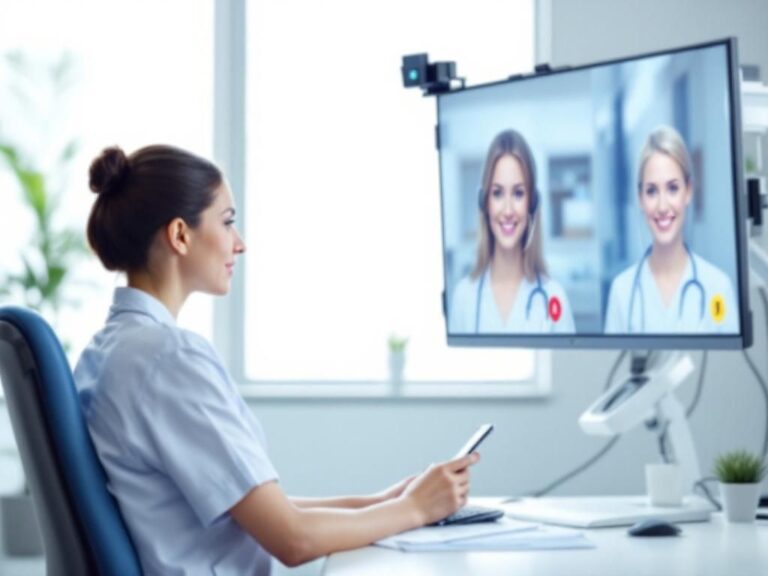
- Remote consultations, enabling patients to receive care from the comfort of their homes
- Access to health resources and information on demand
- Support for patients with mobility challenges
Adoption of VNAs in Different Healthcare Settings
The versatility of VNAs allows them to be employed across various healthcare settings, including:
| Healthcare Setting | Applications |
|---|---|
| Hospitals | Patient intake, discharge instructions, and post-operative care |
| Clinics | Scheduling, patient education, and follow-up care |
| Home healthcare | Monitoring chronic conditions and medication adherence |
| Telehealth | Remote consultations and symptom triage |
Challenges and Considerations
Despite the numerous benefits, the implementation of virtual nursing assistants is not without challenges. Key considerations include:
1. Data Privacy and Security
Protecting sensitive patient information is paramount. Healthcare organizations must ensure that VNAs comply with regulations such as HIPAA and implement robust Cybersecurity measures.
2. Technology Acceptance
Both patients and healthcare professionals must be willing to embrace this technology. Strategies to encourage acceptance include:
- Training sessions for healthcare staff
- Educational resources for patients
- Providing user-friendly interfaces
3. Integration with Existing Systems
VNAs must seamlessly integrate with electronic health records (EHR) and other healthcare technologies. This requires careful planning and collaboration between IT departments and healthcare providers.
Health
The Future of Virtual Nursing Assistants
The future of VNAs is promising, with advancements in AI and machine learning poised to enhance their capabilities further. Key trends to watch for include:
- Increased personalization through Data Analytics
- Enhanced predictive algorithms for proactive care
- Greater integration with wearable health devices
Conclusion
Virtual nursing assistants are more than just a technological innovation; they represent a significant shift in how healthcare is delivered. By improving patient engagement, reducing costs, and enhancing access to care, VNAs are set to play a crucial role in the future of healthcare. As the industry continues to embrace these digital tools, the potential for improved patient outcomes and streamlined operations is boundless. Embracing VNAs is not just an option; it is becoming essential for healthcare providers aiming to thrive in a rapidly evolving landscape.
Machine Learning & Artificial Intelligence
FAQ
What are virtual nursing assistants?
Virtual nursing assistants are AI-driven tools that support healthcare professionals by providing patient care, answering questions, and assisting with routine tasks.
How do virtual nursing assistants improve patient care?
They enhance patient care by offering real-time support, reducing wait times, and ensuring consistent communication between patients and healthcare providers.
What technology is used in virtual nursing assistants?
Virtual nursing assistants utilize artificial intelligence, machine learning, and natural language processing to interact with patients and manage healthcare tasks.
Can virtual nursing assistants replace human nurses?
While virtual nursing assistants can assist in many tasks, they are designed to complement human nurses rather than replace them, allowing for more efficient care.
What are the benefits of using virtual nursing assistants in hospitals?
Benefits include improved patient engagement, enhanced workflow efficiency, reduced administrative burdens, and increased accessibility to healthcare services.
Are virtual nursing assistants secure and compliant with healthcare regulations?
Yes, reputable virtual nursing assistants are designed to comply with healthcare regulations such as HIPAA, ensuring patient data security and confidentiality.
As we continue to embrace technology in healthcare, virtual nursing assistants are poised to revolutionize patient care by providing real-time support and personalized assistance. By integrating advancements in artificial intelligence and machine learning, these virtual aides can enhance efficiency and improve outcomes. For those interested in understanding the underlying technologies, the Fundamentals of machine learning are essential for grasping this transformative shift.
Machine Learning & Artificial Intelligence